creative engineering™
Creative teams and organizations are navigating increasingly complex environments: more channels, more content, more stakeholders, more tools, and now AI. When the work doesn't quite match the vision, we often look first at the people creating it.
>> The issue is rarely talent. It often is the system around it.
Creative Engineering™ is a methodology I developed and refined over two decades of designing, building and transforming creative production systems across brands, studios and organizations. It is a way of bringing creative ambition, brand, business, people, process and technology into alignment, creating the clarity and conditions for creative teams to produce better work, consistently and at scale.


01 - Making the invisible, visible
How many decisions go into one image?
Every image is the result of hundreds of decisions: some explicit, some implicit, some made intentionally, and many simply left open.
But an open decision does not mean no decision.
When the framework is unclear, each person fills the gap with their own interpretation. Teams hesitate. Talent plays it safe. Decisions get pushed downstream. And increasingly, AI fills the gaps with what is statistically likely rather than what is creatively right.
The first step is therefore to make the invisible visible.
Map the content landscape. Identify the different types of assets and the role each one plays within the brand. Bring the relevant perspectives together early and align them around a clear creative framework.
Not to prescribe every decision. To make the decisions that matter explicit, so everyone else has the clarity and freedom to make the ones that remain.
>> Map the content landscape → align the parties → make the important decisions explicit.
02 - Identify and remove the frictions
Once everyone understands what the creative work needs to accomplish, you look at how the work actually moves.
Where does information get lost?
Where do people duplicate work?
Where do approvals slow things down?
Where does communication break?
Where does the process force people to compensate for a badly designed system?
>> Information flow. Tools. Shared guidelines. Roles. Process.

03 - Create the playground
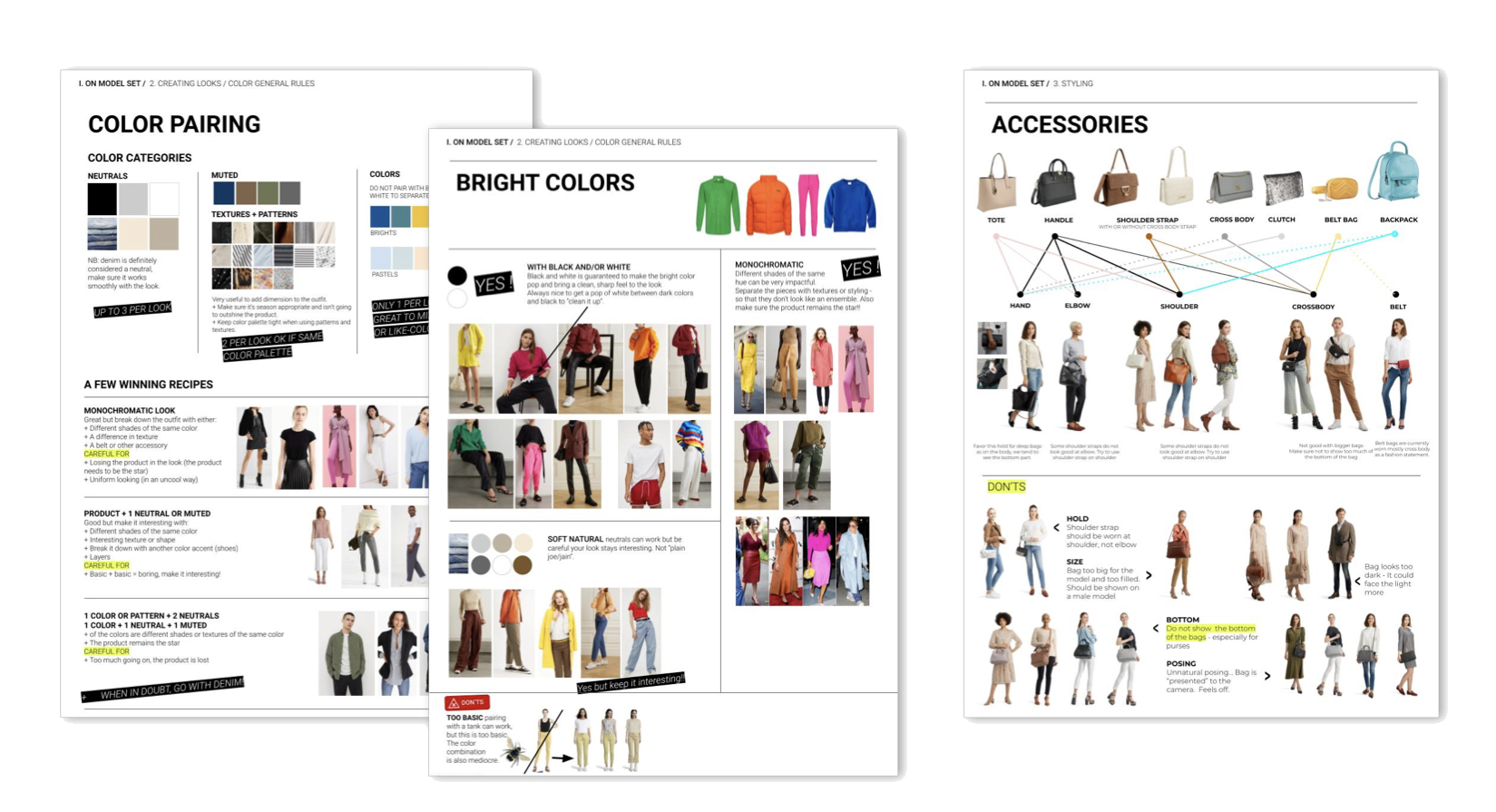
Content production is where creative intent meets reality, and where much of the budget, time and human energy is concentrated. It is also where the unexpected can happen.
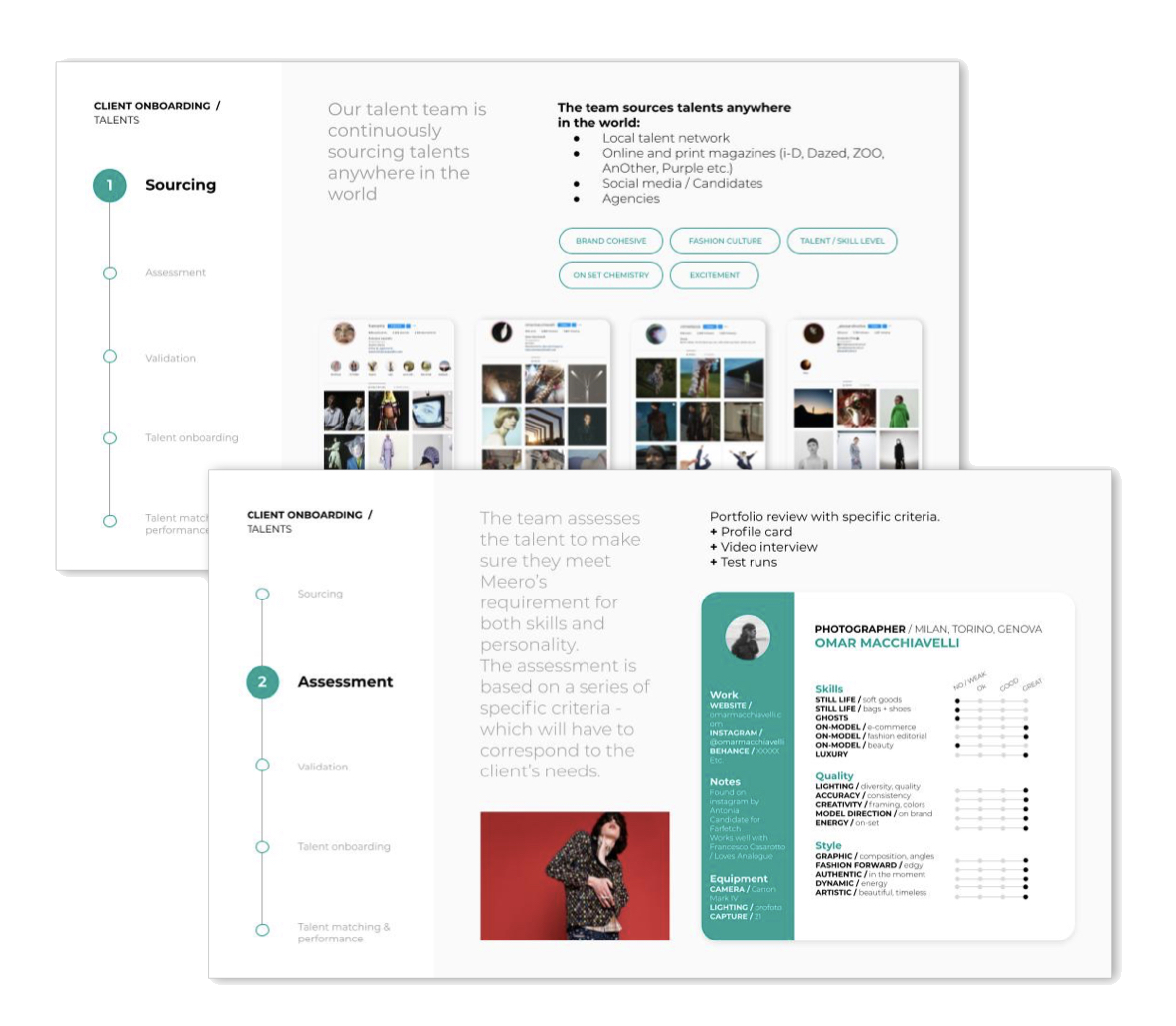
The goal is to remove unnecessary doubt and friction without removing creative freedom. That means composing the right teams, selecting the right talent, filtering information so each person knows what matters to them, and designing the on-set environment around the way people actually work.
Process, leadership, communication, atmosphere, even the small details that shape the energy of a team all matter. The aim is simple: give every person the clarity, confidence and space to bring what they do best.
04 - Build learning into the system
Doing it well once is good. Doing it consistently is better. But the best systems get better as they go.
Quality should not depend on heroic effort or individual memory. It should be built into the way the organization works.
Regular reviews, feedback loops and shared evaluation make it possible to understand what is working, what isn't, and why. Experimentation keeps the work moving rather than simply reproducing what worked yesterday.
The goal is not just consistency. It is a culture in which people remain curious, accountable and proud of what they produce, and where every cycle creates the conditions for the next one to be better.
Let's talk
If you're curious to explore how Creative Engineering™ could support your team or organization, let's start a conversation.
©2025 Square Meter inc. All rigths reserved.